
Class 1 Buildings
Overview
This article describes Class 1 buildings under the National Construction Code (NCC), including their sub-classifications and defining characteristics. Understanding these details helps ensure correct classification and compliance.
Why This Is Important
- Ensures residential buildings are correctly classified.
- Determines applicable construction standards and code requirements.
- Clarifies when a dwelling is Class 1a or Class 1b.
How to Identify Class 1 Buildings
1. What is a Class 1 Building?
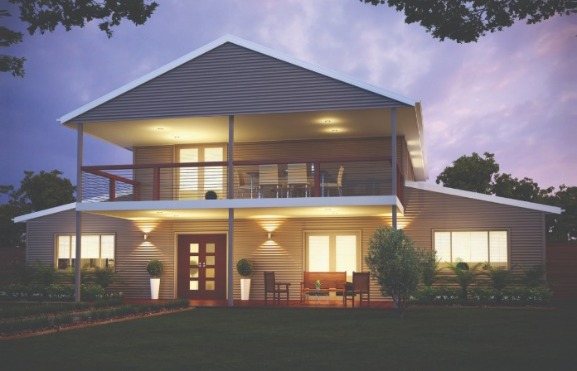
- A Class 1 building is a house.
- Typically, this is a standalone single dwelling of a domestic or residential nature.
2. Attached Class 1 Buildings
- Class 1 buildings can also be horizontally attachedto other Class 1 buildings:
- Terrace houses
- Row houses
- Townhouses
- These must be separated by a wall with fire-resisting and sound insulation properties.
3. Sub-Classifications
There are two sub-classifications:
Class 1a
- A single dwelling:
- A detached house
- One of a group of attached dwellings (e.g., townhouse, row house)
Class 1b
- A boarding house, guest house, or hostel that:
- Has a floor area less than 300 m²
- Ordinarily accommodates fewer than 12 people
- Or:
- Four or more single dwellings on one allotment used for short-term holiday accommodation
4. Did You Know?
- Class 1 buildings cannot be located above or below any other dwelling or any other class of building, except a private garage.
Additional Design Considerations for Class 1A Buildings
Class 1A buildings have a requirement for 20% more bracing than an equivalent Class 10 design. This is to stiffen the building, as steel frames tend to move and deflect more than the tolerance of typical internal linings. By increasing bracing, the likelihood of cracks or visible deformation in finishes is significantly reduced. In addition, designs must avoid unbalanced bracing, where one side of the building is carrying more than 70% or less than 30% of the load, as this can cause twisting and further damage to internal finishes.
Tips, Best Practices & Troubleshooting
- Confirm the building’s intended use before assigning the class.
- Measure total floor area to determine if it qualifies as Class 1b.
- Remember that occupancy numbers and use type impact classification.
- If unsure, refer to NCC Volume Two or consult with Engineering Support.
Related Resources
Class 10 Buildings or Structures
Request Engineering (Site Check)
Review & Updates
Version History:
- v1.0 – 10 June 2021
- v2.0 – 31 July 2025
Article Information
- Category: Engineering & Site Specifications
- Target Audience: Franchise Users, Estimators, Sales Coordinators
- Business Owner:
- Version: v2.0
- Last Reviewed: 31 July 2025